
Published on LinkedIn and amitabhapte.com on18th Jan 2026
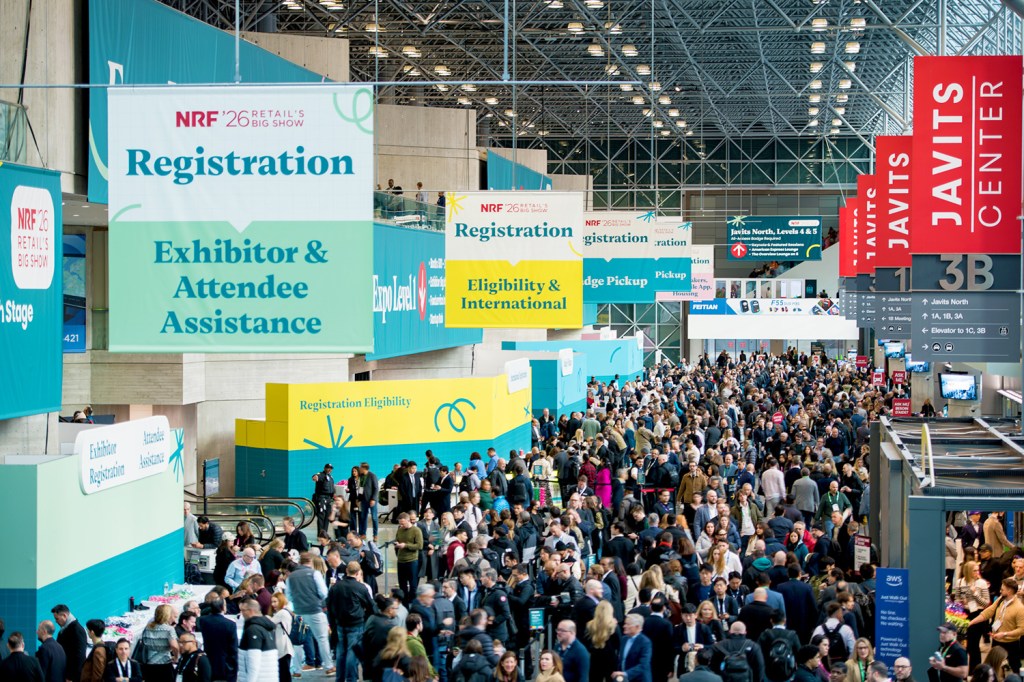
NRF is where retail reality shows up.
If CES is about what could happen, NRF is about what’s already being rolled out. Under margin pressure. With labour constraints. At scale.
This year, the message was clear. Retailers are done talking about AI as a concept. They are wiring it directly into how stores and supply chains run day to day. Not just big visions. But operating decisions.
Four NRF signals that matter if you’re a CIO or tech leader in retail, CPG, or ecommerce. None are shiny. All are practical.
1. Autonomous retail operations. From dashboards to decisions
Several large retailers showed how decision-making is being pushed closer to real time.
Walmart talked about how AI now drives replenishment, routing, and inventory flow across stores and DCs. Not as reports for planners, but as automated actions, with humans stepping in only when something looks off.
Target shared how they’re using AI to balance pricing, promotions, and inventory at a local level. The focus wasn’t on smarter forecasts. It was on fewer manual overrides and faster execution.
What stood out was the mindset. These teams are moving away from “decision support” tools toward systems that decide by default.
Why it matters
Retail performance increasingly comes down to how quickly you act when conditions change. AI is becoming the only way to keep up without adding headcount.
2. The store becomes a living system
Stores are being treated less like static assets and more like adaptive environments.
Kroger showed how shelf sensors, computer vision, and digital shelf labels are tied together. If an item goes out of stock or demand spikes, the system responds automatically, from replenishment signals to price adjustments.
Best Buy focused on store teams. AI tools help associates with product knowledge, troubleshooting, and customer history, so staff spend less time searching and more time helping.
The tone was practical. Less about “smart stores”, more about removing friction for staff and customers.
Why it matters
Store execution has always been local and messy. AI is finally being used to support that reality, not fight it.
3. Agentic commerce meets retail plumbing
There was much less hype around consumer-facing agents. More focus on foundations.
Retailers talked openly about the work needed to make their systems machine-readable. Clean inventory data. Clear substitution rules. Reliable availability signals. Secure APIs.
Macy’s discussed how modernising product data, fulfilment logic, and order orchestration is a prerequisite for any future AI-driven shopping experience, whether inside their own channels or through third-party platforms.
This wasn’t positioned as innovation. It was positioned as overdue plumbing.
Why it matters
As shopping shifts from browsing to delegation, agents will only work with retailers they can trust. That trust is built in data quality and operational discipline.
4. Retail tech grows up. ROI over rhetoric
The overall mood at NRF was grounded.
Retailers talked about shrink reduction, labour productivity, energy use, and faster rollout of store tech. Fewer moonshots. More numbers.
Several sessions highlighted projects being scaled because they worked, and others quietly shelved because they didn’t.
This felt like a turning point. Retail tech is being judged like any other capital investment.
Why it matters
The days of running pilots for the sake of learning are ending. What survives now must survive procurement, operations, and the P&L.
Closing takeaway
NRF made one thing very clear. Retail is where AI stops being theoretical.
This is where it either improves availability, reduces waste, supports staff, and protects margins, or it gets switched off.
For CIOs and tech leaders, the challenge isn’t finding more AI use cases. It’s building operating models that trust automation, accept machine decisions, and know when humans should step in.
The future store won’t look futuristic. It will just work better. That’s the real signal from NRF.
 Amitabh Apte